The area beneath your floor is easy to overlook, but it plays an important role in your home’s condition. A well-maintained subfloor helps support the flooring above, manages moisture and reduces the risk of problems developing in hidden areas.
For Melbourne homeowners, damp conditions, plumbing leaks, blocked ventilation and poor site drainage can affect the space beneath a raised timber floor. Concrete slab homes can also experience moisture-related issues that affect floor coverings and finishes.
Understanding how to care for your subfloor can help you recognise early warning signs and arrange the right maintenance before minor issues become more serious.
Why Is Subfloor Maintenance Important?
A subfloor is the supporting structure or surface beneath your finished flooring. Depending on how your home was built, it may include timber floorboards, joists and bearers, or a concrete slab.
In homes with raised timber floors, the under-house space needs suitable ventilation and moisture management. If dampness remains trapped, it can contribute to timber deterioration, mould growth and conditions that attract termites.
Concrete slabs have different maintenance needs. Moisture within or beneath a slab can affect flooring adhesives, timber flooring and other finishes installed above it.
Regular Subfloor Maintenance Melbourne homeowners undertake should focus on keeping the area dry, identifying damage and maintaining suitable ventilation.
1. Keep the Subfloor Area Dry
Moisture is one of the main concerns for homes with raised timber floors.
Water can enter the under-house area through leaking pipes, poor external drainage, damaged plumbing connections or water collecting around the building.
Check for:
- Damp soil or standing water beneath the home
- Water stains on timber supports
- Musty or mouldy smells
- Visible mould or fungal growth
- Leaking pipes and plumbing connections
- Signs of water entering after heavy rain
If water regularly collects beneath the house, identify the source rather than simply removing the visible water. A licensed plumber or suitable drainage professional may be needed, depending on the cause.
2. Maintain Proper Subfloor Ventilation
Ventilation helps air move through the space beneath a raised timber floor. This airflow can reduce moisture build-up and help the area remain dry.
Check that external subfloor vents are not blocked by garden beds, soil, paving, plants or stored materials. Avoid covering vents during landscaping or renovation work.
Cross-ventilation is also important. Air should be able to move through the under-house space rather than becoming trapped behind internal walls or obstructions.
Australian building guidance recognises the role of subfloor ventilation in reducing damaging moisture vapour and helping protect timber components from deterioration.
If your home has persistent dampness or inadequate airflow, seek professional advice before adding vents or installing mechanical ventilation.
3. Inspect Timber Supports and Floorboards
Timber components beneath your home should be checked periodically for signs of deterioration.
Look for:
- Soft, damaged or discoloured timber
- Cracks or visible deterioration in bearers and joists
- Loose or damaged floorboards
- Unusual movement when walking across the floor
- Signs of termites or other timber pests
A squeaking floor does not automatically mean there is structural damage. It can result from normal timber movement, loose boards or changes in moisture conditions.
However, noticeable sagging, significant movement or deteriorating supports should be assessed by an appropriately qualified building professional.
4. Look After Concrete Slab Subfloors
Homes built on concrete slabs have different maintenance requirements from raised timber-floor properties.
A concrete slab should be checked for visible cracking, moisture concerns and uneven areas. Some cracking may be related to normal concrete shrinkage, while other movement may require further investigation.
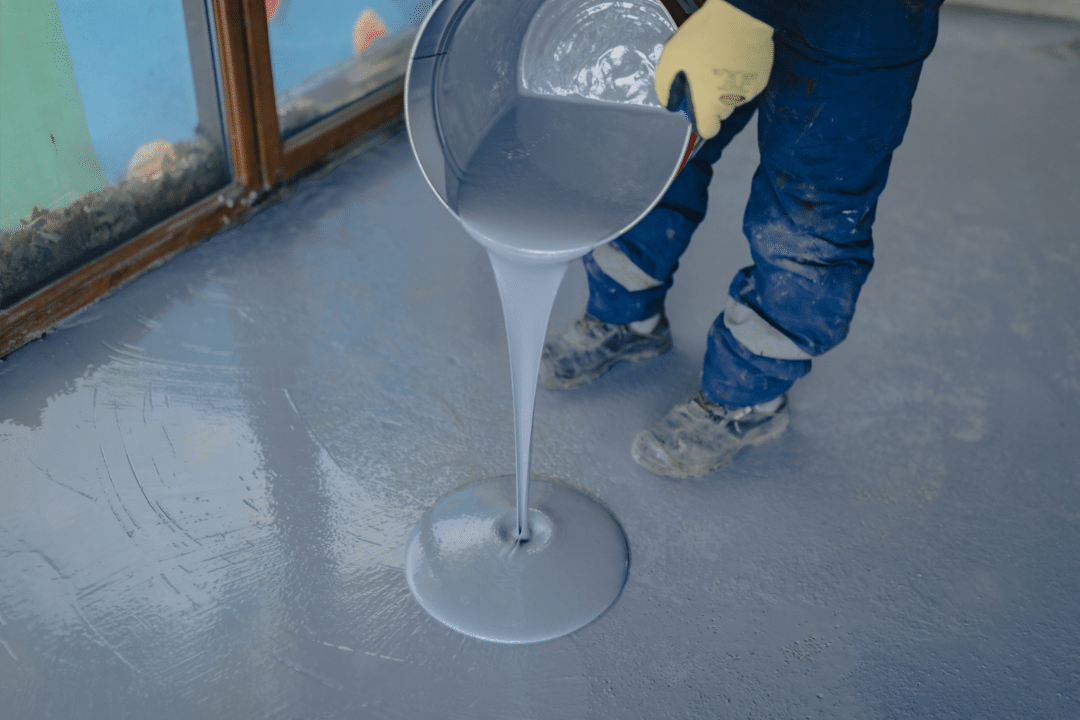
Moisture is particularly important when installing timber flooring, vinyl, carpet or other floor coverings. A slab that has not dried sufficiently can affect adhesives and flooring materials.
Before installing a new floor covering, ensure the concrete is clean, sound, sufficiently dry and prepared according to the flooring manufacturer’s requirements.
Where moisture is suspected, arrange appropriate testing rather than relying on the appearance of the surface alone.
5. Prevent Problems Around Your Home
Good maintenance starts outside the building as well as underneath it.
These practical habits can help reduce the risk of moisture entering the subfloor:
- Keep gutters and downpipes clear.
- Direct roof water away from the building.
- Maintain suitable ground levels around external walls.
- Avoid allowing garden soil or mulch to cover ventilation openings.
- Check outdoor taps and exposed plumbing for leaks.
- Remove rubbish and unnecessary stored materials from the under-house area.
For Melbourne properties, it is particularly useful to check drainage and under-house conditions after periods of heavy rainfall.
6. When Should You Arrange a Professional Inspection?
Some subfloor problems are difficult to identify without access and suitable inspection equipment.
Arrange an inspection if you notice persistent dampness, mould, termite activity, damaged timber, sagging floors or repeated moisture problems.
The right professional depends on the issue. A licensed plumber can investigate plumbing leaks, a drainage specialist can assess stormwater concerns, and a building professional or structural engineer can investigate significant structural movement.
For termite concerns, use an appropriately licensed pest management professional.
Protect Your Home with Regular Subfloor Care
Looking after the area beneath your flooring is an important part of general property maintenance. Keeping vents clear, managing water around the building and checking for early signs of damage can help protect timber supports and finished floors.
Whether your property has a raised timber floor or a concrete slab, understanding its maintenance requirements can help you make informed decisions and arrange repairs when needed.
For concrete-related outdoor work, VW Concreting can discuss suitable concrete services for your property. Call 0410 718 900 to enquire.
Why Choose VW Concreting?
At VW Concreting, we provide residential concreting solutions across Melbourne and surrounding suburbs, including Truganina, Werribee, Hoppers Crossing, Rockbank and Sunbury.
Our services include exposed aggregate, slate-look concrete and outdoor concrete surfaces.
We help homeowners explore suitable finishes for their properties, whether they’re planning a new driveway or improving an existing outdoor area.
Looking for a reliable concrete driveway service in Melbourne?
Contact VW Concreting today to discuss your project and request a free quote.
Call: 0410 718 900
Leave A Comment