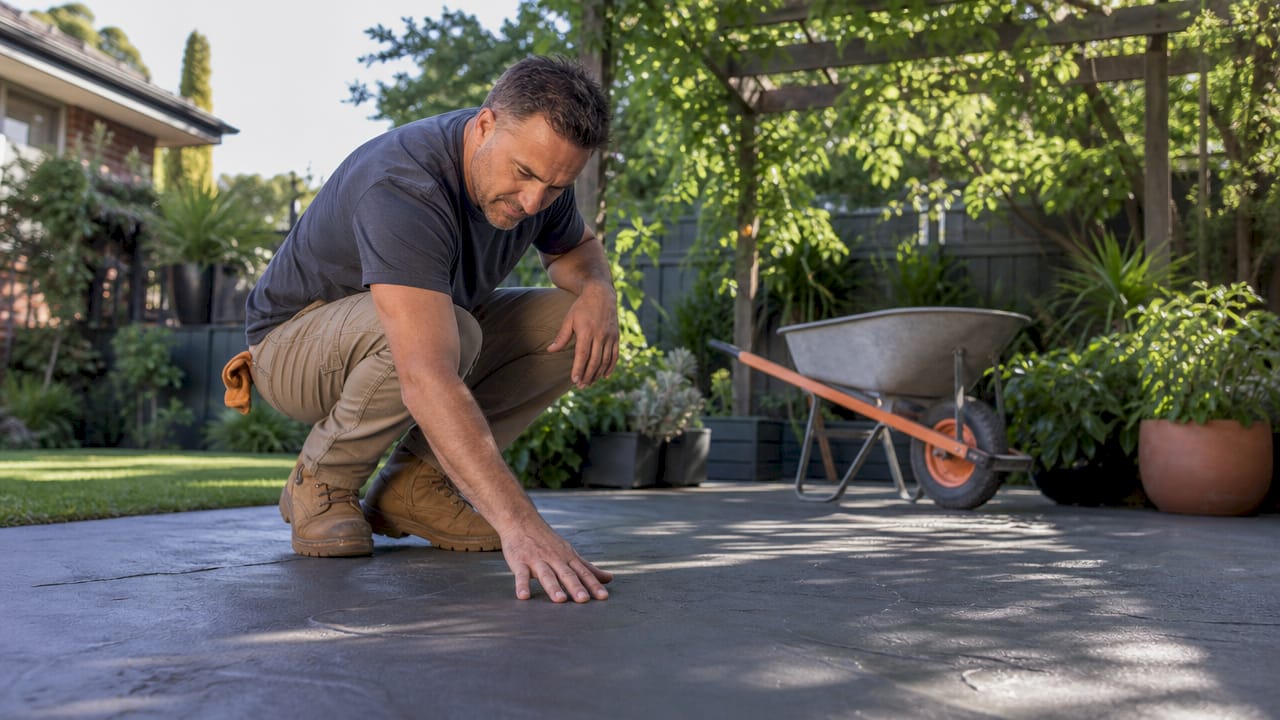
Slate concrete is a decorative concrete finish that replicates the texture and appearance of natural slate, giving Melbourne homeowners and property developers a stylish, long-lasting surface for driveways, patios, pathways, and pool decks. Unlike plain concrete Melbourne properties have relied on for decades, slate impression concrete delivers visual depth and character without sacrificing structural performance. It works across residential and commercial settings, and slate concrete driveways have become one of the most requested decorative concrete Melbourne finishes for properties that prioritize curb appeal alongside durability.
What makes slate concrete a strong choice for Melbourne?
Slate concrete, known in the industry as slate impression or stamped overlay concrete, is purpose-built for the demands Melbourne’s climate places on outdoor surfaces. Melbourne’s weather cycles through intense UV exposure, heavy rainfall, and temperature swings that crack and fade lesser surfaces. Slate impression concrete withstands these local conditions and has been delivered successfully by specialized concreting companies with 30-plus years of Melbourne experience.
The performance gap between slate concrete and plain concrete is significant. Plain concrete offers a functional surface, but it provides no texture variation, minimal aesthetic appeal, and a surface that shows stains and wear quickly. Decorative concrete Melbourne options like slate finish concrete add a textured, colored layer that hides minor surface aging and complements the architectural styles common across Melbourne’s western and northern suburbs.
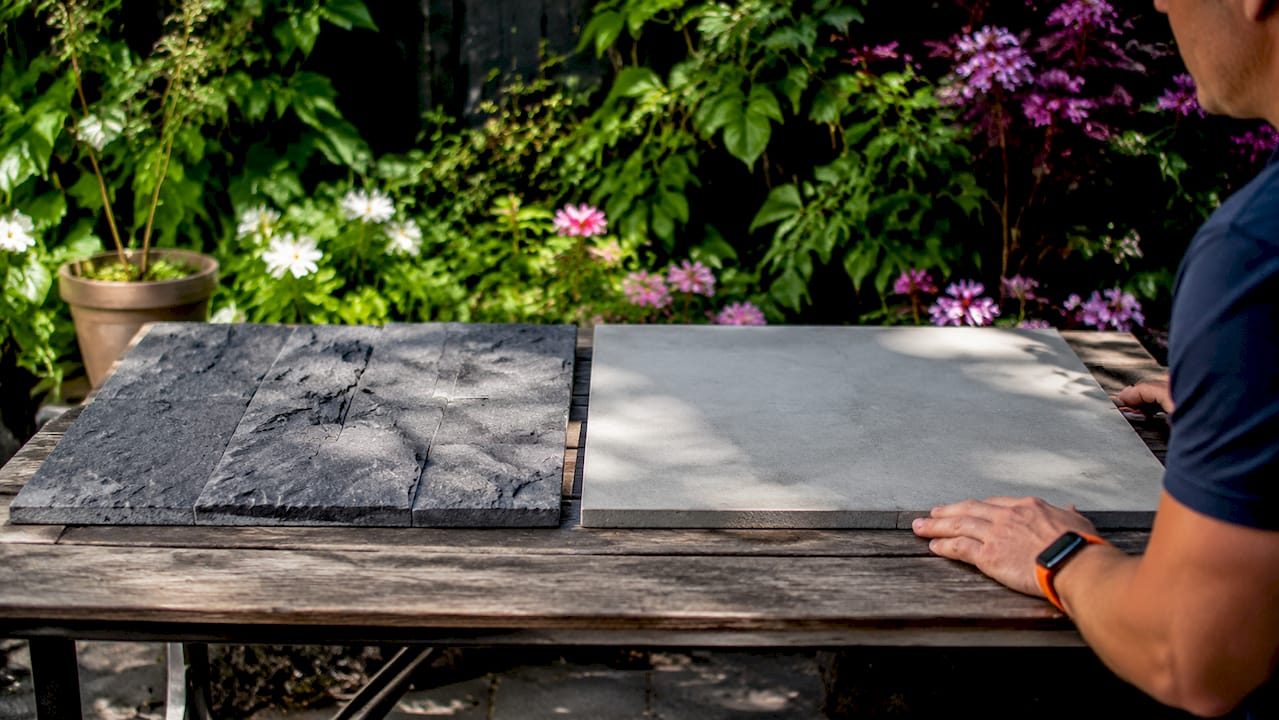
Pro Tip: When comparing slate concrete to pavers or natural stone concrete, factor in long-term maintenance. Pavers shift and weed between joints. Natural stone concrete is expensive to source and install. Slate impression concrete gives you the look of both at a fraction of the ongoing effort.
| Feature | Slate concrete | Plain concrete | Natural stone |
|---|---|---|---|
| Aesthetic variety | High | Low | High |
| Installation cost | Moderate | Low | High |
| Maintenance demand | Low to moderate | Low | High |
| Durability in Melbourne climate | High | Moderate | Moderate to high |
Slate concrete is also compatible with both residential driveways and commercial forecourts, making it a flexible choice for property developers working across multiple project types. The range of concrete driveway finishes available in Melbourne means slate impression sits alongside polished concrete Melbourne and exposed aggregate as a top-tier decorative option.
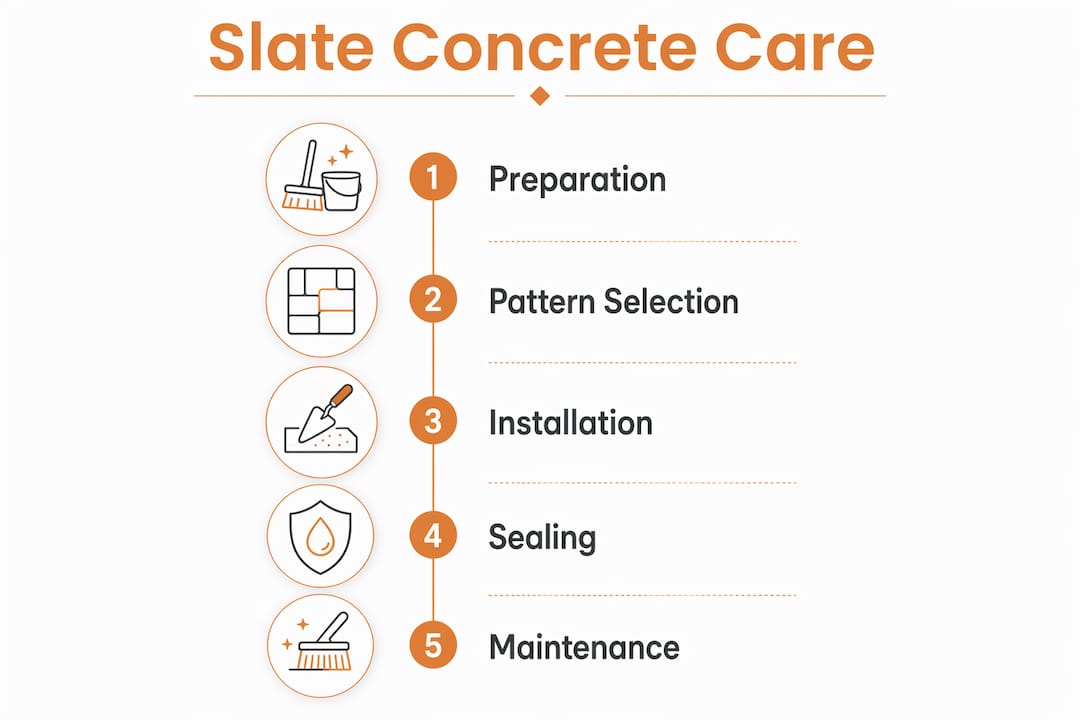
How to prepare your surface for slate concrete application
Surface integrity is the foundation for a successful slate concrete finish. Decorative topcoats cannot compensate for a failing base slab. Professionals consistently identify poor preparation as the primary cause of slate concrete failures, not product defects or design choices.
Here is the standard preparation sequence used by experienced Melbourne contractors:
- Inspect the existing slab. Check for cracks, spalling, hollow spots, and movement. Any structural instability in the base must be resolved before applying a concrete overlay Melbourne finish.
- Clean the surface thoroughly. High-pressure washing removes dirt, oil, and contaminants that prevent bonding. Grease stains require a degreaser applied before washing.
- Repair cracks and damage. Fill cracks with a flexible repair compound. Shallow surface cracks can be ground back and filled. Deep structural cracks signal a slab that may need full replacement rather than resurfacing.
- Manage moisture levels. Improper moisture management during preparation is the leading cause of peeling and early cracking in slate concrete finishes. The slab must be dry but not bone-dry. Excess moisture vapor pushes up through the overlay and breaks the bond.
- Apply a bonding primer. A quality primer locks the overlay to the existing slab and creates a uniform absorption rate across the surface.
Pro Tip: In Melbourne’s older suburbs, many slabs were poured without proper vapor barriers. If you are resurfacing a slab that is more than 20 years old, ask your contractor to perform a moisture test before any overlay work begins. Skipping this step is the single most common reason slate concrete jobs fail within two years.
The concrete resurfacing process for older Melbourne driveways follows these same principles. A slab that scores well on all five preparation steps is ready for a slate finish that will last 15 to 20 years with proper maintenance.
What design options are available with slate concrete in Melbourne?
Slate concrete offers far more variety than most homeowners expect. The industry standard patterns fall into three main categories, each producing a distinct visual result.
- Ashlar slate replicates the look of cut stone blocks arranged in a staggered rectangular grid. It suits formal driveways and entry paths on contemporary Melbourne homes.
- Roman slate mimics the irregular, broken-edge appearance of natural slate tiles. It works well on patios, pool decks, and garden pathways where a more organic look fits the surroundings.
- Two-tone slate impression combines two complementary colors within the same pattern to add depth and shadow. This finish is popular on large driveways where a single flat color would look monotonous.
Different slate patterns like Ashlar and Roman directly affect maintenance needs and visual impact, so the choice is both aesthetic and practical. Ashlar’s clean lines show dirt more readily than Roman’s textured surface, which hides minor debris between cleanings.
Color selection is where slate concrete truly separates itself from plain concrete. Standard color ranges include charcoal, sandstone, terracotta, slate gray, and heritage cream. Melbourne’s brick-veneer homes pair well with warm sandstone and terracotta tones. Modern rendered facades suit charcoal and slate gray. Two-tone combinations let you echo the trim or roof color of the property for a cohesive result.
| Pattern | Best use | Maintenance level |
|---|---|---|
| Ashlar slate | Driveways, formal entries | Moderate |
| Roman slate | Patios, pool decks, paths | Low to moderate |
| Two-tone impression | Large driveways, commercial forecourts | Moderate |
Stamped concrete patterns can mimic natural slate’s texture at a lower cost and with greater durability than the natural material itself. For outdoor rooms and entertainment areas, the role of concrete in outdoor spaces extends well beyond function. The right pattern and color combination turns a plain slab into a design feature.
How to maintain slate concrete and keep it looking sharp
Slate concrete is low maintenance by design, but it is not zero maintenance. A consistent care routine protects your investment and keeps the surface looking sharp for years.
- Seal every two to three years. Regular sealing prevents weather-related damage and maintains surface integrity. Penetrating sealers work best for high-traffic driveways. Film-forming sealers add a glossy finish suited to patios and entertainment areas.
- Clean with pH-neutral products. Acidic cleaners strip the sealer and degrade the color layer. Use a mild detergent and a soft-bristle brush or low-pressure hose for routine cleaning.
- Remove stains promptly. Oil, rust, and tannin stains from leaves penetrate the surface faster on an unsealed or worn surface. Address spills within 24 hours to prevent permanent marking.
- Inspect annually for surface issues. Look for hairline cracks, lifting edges, or color fading. Catching these early means a simple repair rather than a full resurfacing job.
- Avoid heavy point loads. Dumpster bins, heavy machinery, and vehicle jacks concentrate weight on a small area and can crack the overlay. Use load-spreading boards when placing heavy objects on the surface.
Early signs of trouble include a chalky or powdery surface texture, which indicates sealer breakdown, and small bubbles or blisters in the overlay, which signal moisture vapor pushing through from below. Both are repairable if caught early. Left unaddressed, they lead to delamination that requires full resurfacing.
How to choose a reliable slate concrete contractor in Melbourne
The contractor you choose determines the quality of your result more than any product or pattern selection. Melbourne has no shortage of concreting companies, but slate impression concrete requires specific skills that not every general concreter possesses.
- Verify experience with decorative concrete specifically. Ask to see completed slate concrete projects, not just plain concrete slabs. Request photos of driveways and patios at least two years old to assess how the finish has held up.
- Ask about surface preparation practices. A contractor who cannot explain their moisture testing and priming process in plain language is a contractor who skips those steps. Surface prep is where quality is built or lost.
- Check for local Melbourne knowledge. Contractors familiar with Melbourne’s soil conditions, climate patterns, and council requirements will specify the right slab thickness, control joint placement, and sealer type for your specific location. The residential driveway specification guide outlines the technical standards that apply to Melbourne driveways.
- Request a written quote with scope detail. A quote that lists only a total price without breaking down preparation, materials, and finishing steps is a red flag. Detailed quotes protect you and signal a contractor who plans the job properly.
- Seek references from recent clients. A contractor confident in their work will provide references without hesitation. Ask specifically about how the contractor handled problems or unexpected site conditions.
Choosing the right concreting services in Melbourne comes down to documented experience, transparent process, and local knowledge. Concrete resurfacing costs in Melbourne range from $45 to $150 per square meter depending on finish complexity and existing slab condition. That range reflects real differences in preparation quality and material grade, not just contractor pricing preferences.
Key takeaways
Slate concrete delivers lasting curb appeal in Melbourne when surface preparation, pattern selection, and regular sealing are treated as non-negotiable priorities rather than optional extras.
| Point | Details |
|---|---|
| Surface prep determines longevity | Moisture management and crack repair before overlay application prevent peeling and early failure. |
| Pattern choice affects maintenance | Ashlar slate shows dirt faster than Roman slate; match the pattern to your cleaning tolerance. |
| Sealing is non-negotiable | Reseal every two to three years to protect color and prevent weather damage in Melbourne’s climate. |
| Cost reflects preparation quality | Melbourne resurfacing ranges from $45 to $150 per square meter; lower quotes often skip critical prep steps. |
| Contractor experience matters most | Ask for photos of two-year-old projects and a detailed written scope before committing to any contractor. |
Why surface prep is the real story in slate concrete
After working on and observing dozens of decorative concrete projects across Melbourne, the pattern I keep seeing is this: the jobs that fail were not let down by the product or the pattern. They were let down by what happened before the overlay went down.
Homeowners often focus entirely on color swatches and pattern samples. That is understandable. The visual result is what you live with every day. But the decision that actually determines whether your slate concrete looks great in year five or starts peeling in year two is whether your contractor took moisture testing seriously on day one.
I have seen beautiful Ashlar slate driveways in Melbourne’s western suburbs start blistering within 18 months because the contractor skipped a vapor barrier check on a slab poured in the 1980s. The pattern was perfect. The color was exactly what the homeowner wanted. The prep was inadequate, and the whole job had to be redone.
The other thing worth saying plainly: slate concrete is not the right choice for every surface. If your existing slab has significant structural movement or deep cracking, a decorative overlay is not the answer. A full replacement is. A contractor who tells you otherwise is prioritizing the sale over your long-term result. The best slate concrete projects start with an honest assessment of what is underneath, not just what will sit on top.
— Vic
Get slate concrete done right with VW Concreting
VW Concreting has delivered decorative concrete projects across Melbourne since 2001, with over 145 completed projects spanning driveways, slabs, patios, and outdoor living areas. The team specializes in slate impression concrete, concrete overlays, and decorative finishes that hold up to Melbourne’s climate and look sharp for years.
Whether you are resurfacing an existing driveway or starting a new build, VW Concreting brings the local knowledge and hands-on experience to get the preparation right and the finish looking exactly as you envisioned. Explore the driveway and slab portfolio to see completed slate concrete work, or reach out directly to discuss your project and get a detailed, transparent quote.
FAQ
What is slate concrete and how is it different from plain concrete?
Slate concrete is a decorative overlay or stamped finish applied to a concrete base to replicate the look and texture of natural slate. Plain concrete delivers a flat, utilitarian surface with no color or texture variation, while slate impression concrete adds aesthetic depth and design flexibility.
How much does slate concrete cost in Melbourne?
Concrete resurfacing in Melbourne ranges from $45 to $150 per square meter depending on the existing slab condition, finish complexity, and preparation requirements. More decorative finishes and older slabs requiring extensive prep sit at the higher end of that range.
How long does slate concrete last in Melbourne?
A properly prepared and regularly sealed slate concrete surface lasts 15 to 20 years in Melbourne’s climate. Regular sealing every two to three years is the single most important factor in achieving that lifespan.
What are the most popular slate concrete patterns in Melbourne?
Ashlar slate and Roman slate are the two most widely used patterns. Ashlar suits formal driveways and contemporary homes, while Roman slate works well on patios and pool decks where a more natural, irregular look fits the space.
Can slate concrete be applied over an existing driveway?
Yes, slate concrete can be applied as a concrete overlay over an existing slab provided the base is structurally sound, clean, and properly moisture-tested. Failures in slate concrete are most commonly caused by insufficient surface preparation rather than by the overlay product itself.
Leave A Comment