
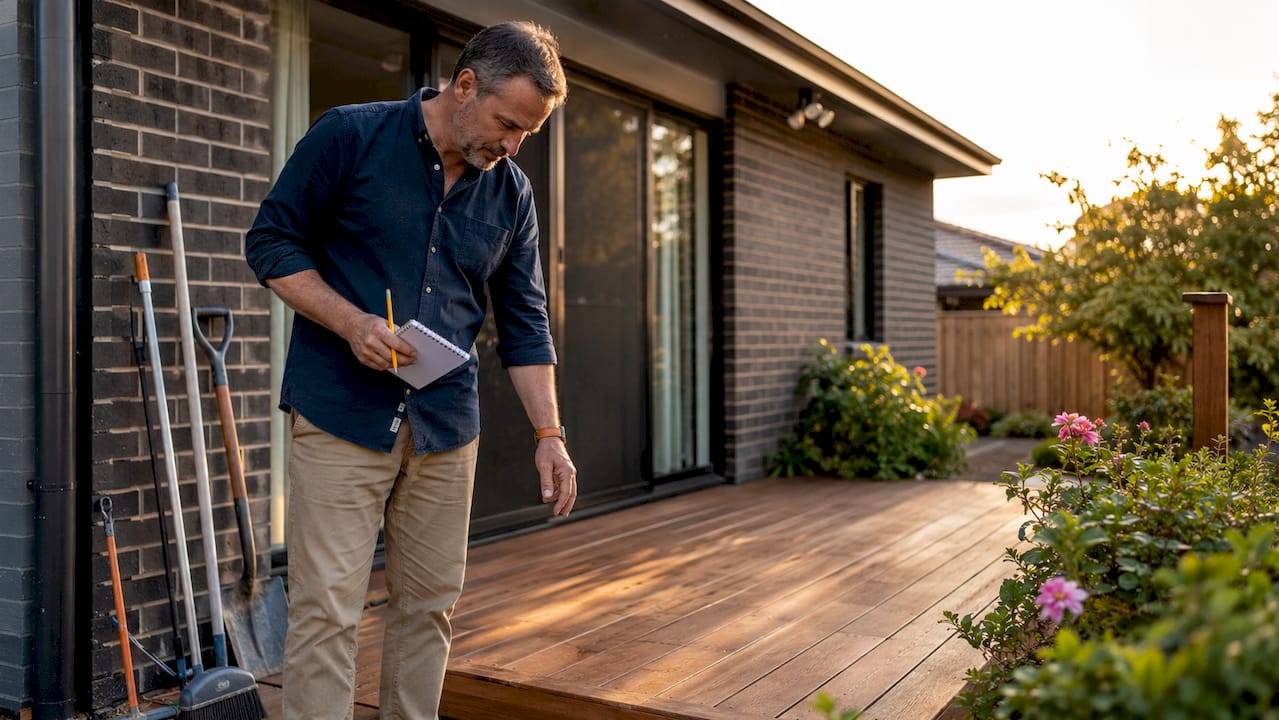
Outdoor decking in Tarneit is a crafted surface structure built around your home to extend your living space, boost property value, and create a functional outdoor area you actually use. The suburb’s hot summers, occasional heavy rain, and clay-heavy soil make material selection and installation technique more critical here than in many other parts of Melbourne. Professional timber installers and composite decking brands like Everdeck® are both active in the Tarneit market, giving homeowners real choices across budget and style. This guide covers the best materials, realistic 2026 costs, structural requirements, and maintenance practices so you can make a confident decision before the first board goes down.
What are the best decking materials for Tarneit’s climate?
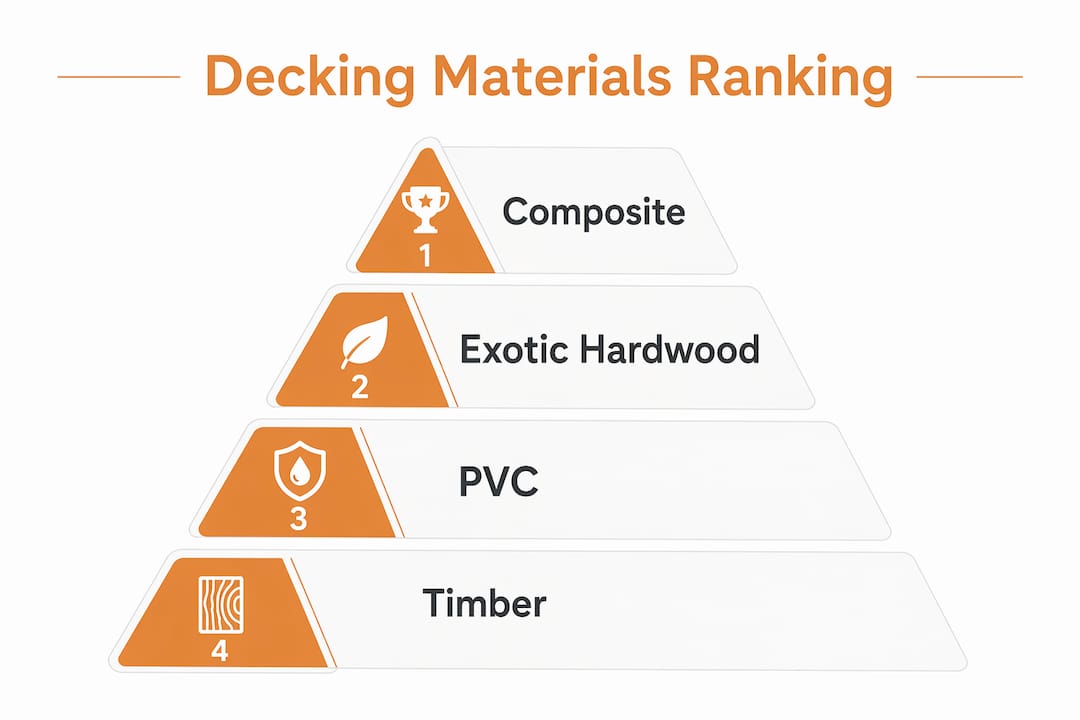
The four main outdoor decking options are timber, composite, PVC, and exotic hardwoods. Each performs differently under Tarneit’s conditions, and the wrong choice costs you more in repairs than you saved upfront.
Timber is the most familiar choice. Pine and treated softwoods come in at the lower end of the cost range, while spotted gum and merbau sit higher. The trade-off is maintenance. Natural hardwoods require regular oiling and sealing to prevent fading and structural loss in harsh Australian sun. That means at least one full oil treatment per year and a re-seal every two to three years.
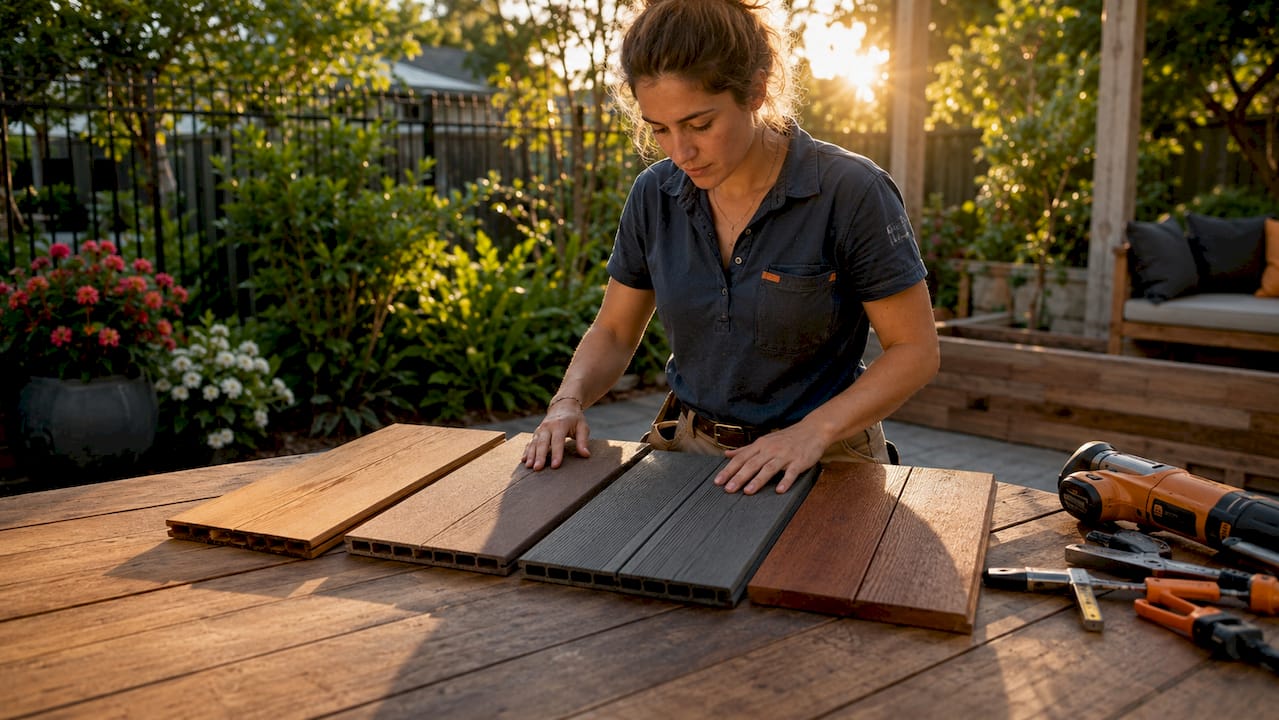
Composite decking blends wood fiber and recycled plastic into boards that resist moisture, insects, and UV damage far better than raw timber. Brands like Everdeck® offer warranties spanning 15–20 years under proper installation. That warranty coverage alone changes the long-term math for most homeowners. Composite also holds color better than timber in direct sun, which matters on Tarneit’s north-facing backyards.
PVC decking is the right call for pool surrounds and any area with constant moisture exposure. PVC contains zero organic content, making it fully resistant to water absorption and rot. No organic material means no mold, no swelling, and no soft spots after a wet winter.
Exotic hardwoods like Kwila and Blackbutt deliver a premium finish that composites still struggle to replicate visually. The cost is high and the maintenance demand is real. Homeowners should balance the premium look of hardwoods against the low upkeep advantages of composite before committing.
| Material | Cost (per sqm) | Maintenance | Warranty | Best Use |
|---|---|---|---|---|
| Treated pine | Low | High | 5–10 years | Budget builds |
| Composite (Everdeck®) | Medium | Low | 15–20 years | General outdoor areas |
| PVC | Medium-High | Very Low | 15–20 years | Pool and wet zones |
| Exotic hardwood | High | High | Varies | Premium aesthetics |
Pro Tip: In Tarneit’s climate, choose lighter-colored composite boards where possible. Heat-blocking technology in composite decking combined with lighter tones keeps surface temperatures comfortable on 40-degree days when darker boards become too hot to walk on barefoot.
How much does outdoor decking installation cost in Tarneit?
Timber decking installation in Tarneit averages $160 per square meter as of Q2 2026. That figure covers standard ground-level builds with treated pine. It does not cover elevated decks, complex framing, or premium materials, all of which push the number higher.
Several factors move the final price significantly:
- Material choice: Composite and hardwood boards add $50–$100 per sqm over treated pine.
- Site complexity: Sloped blocks, clay soil, and existing structures require deeper footings and more labor.
- Deck size and shape: Irregular shapes with multiple angles cost more to frame and board than simple rectangles.
- Structural requirements: Elevated decks above 800mm need engineer-certified footings and council permits in most Melbourne municipalities.
- Substructure condition: Replacing rotted joists or damaged ledger boards on an existing deck adds cost before new boards can go down.
The most common budget blowout in Tarneit decking projects comes from hidden substructure problems. A homeowner budgets for new boards, then discovers the frame underneath needs full replacement. Getting a professional to assess the substructure before quoting saves that surprise. VW Concreting’s decking services in Tarneit include a full site assessment before any work begins, which is exactly the right starting point.
Professional installation also matters for safety and compliance. A licensed builder understands load requirements, footing depths, and the local council rules that a DIY approach often misses.
What are the key installation techniques for a safe, lasting deck?
The substructure is the part of your deck nobody sees and the part that determines whether it lasts 5 years or 25. Common deck failures stem from poor footing depth, missing ledger flashing, and tight board spacing that traps moisture and causes rot. Getting these elements right at the start is not optional.
Here are the structural steps that separate a well-built deck from one that fails inspection:
- Set footings correctly. Concrete footings must reach below the frost line and account for Tarneit’s reactive clay soil, which shifts with moisture changes. Undersized footings cause the whole frame to move.
- Flash the ledger board. Where the deck attaches to your house, corrosion-resistant fasteners and proper flashing prevent water from entering the wall cavity. Water behind a ledger board causes foundation damage that costs far more to fix than the deck itself.
- Space joists correctly. Standard joist spacing for composite boards is typically 400mm centers. Timber may allow 450mm. Check the manufacturer’s specification before framing.
- Leave the right board gaps. Composite and PVC boards expand differently than timber and need specific gap requirements per manufacturer. Gaps that are too tight cause buckling in summer heat. Gaps that are too wide create trip hazards and drainage problems.
- Get your permits. Skipping council permits in Tarneit risks stop work orders and legal complications when you sell. Decks above certain heights or areas require a building permit under Victorian building regulations. The permit process is straightforward when you work with a licensed builder.
Pro Tip: Assess the substructure thoroughly before laying any new boards on an existing frame. A spongy joist or corroded fastener hidden under old decking will compromise the entire new surface within two seasons.
How do you maintain different decking types in Melbourne’s environment?
Maintenance requirements vary sharply by material, and choosing the wrong material for your available time is as costly as choosing the wrong material for your climate.
Timber decks need the most attention. The annual maintenance cycle includes cleaning with a deck wash, sanding back any raised grain, applying a penetrating oil, and checking for soft spots or loose fasteners. Signs like spongy boards or water pooling indicate underlying structural issues that need professional assessment before they become full replacements. Ignoring a soft board for one season often means replacing three joists the next.
Composite and PVC decks need far less work. A wash with soapy water two to three times per year removes dirt, pollen, and mold spores before they stain. No oiling, no sanding, no annual re-seal. The low upkeep advantage of composite is the primary reason it has taken significant market share from timber over the past decade in Melbourne’s western suburbs.
Common maintenance mistakes that shorten deck life across all materials:
- Using a high-pressure washer directly on timber boards, which raises grain and forces water into the wood
- Leaving potted plants sitting directly on deck boards without saucers, which traps moisture and causes rot circles
- Skipping the annual fastener check, which allows boards to lift and create trip hazards
- Applying oil to wet timber, which seals moisture in rather than out
- Ignoring small cracks in composite boards, which allow water into the core layer
Pro Tip: Clean composite decking with a soft-bristle brush and a mild detergent solution. Avoid bleach-based cleaners on composite surfaces as they degrade the binding agents in the board over time and void most manufacturer warranties.
Key Takeaways
The most effective outdoor decking in Tarneit combines the right material for local conditions, a properly built substructure, and consistent maintenance to reach the full warranty period.
| Point | Details |
|---|---|
| Material choice drives long-term cost | Composite and PVC cost more upfront but require far less maintenance than timber over a 15–20 year span. |
| Substructure quality determines lifespan | Correct footing depth, ledger flashing, and joist spacing prevent the most common deck failures. |
| Permits protect your investment | Building permits for elevated or large decks are mandatory in Tarneit and protect you at resale. |
| Maintenance frequency varies by material | Timber needs annual oiling and sealing; composite and PVC need only periodic washing. |
| Installation costs start at $160 per sqm | Timber decking in Tarneit averages $160/sqm in 2026, with composites and hardwoods priced higher. |
What I’ve learned after years of decking projects in Melbourne’s west
The conversation I have most often with Tarneit homeowners goes like this: they want the look of hardwood, they have a composite budget, and they underestimate how much they dislike maintenance. My honest recommendation is to go composite in nine out of ten cases in this suburb. The UV intensity in Melbourne’s west is real, and a hardwood deck that does not get oiled every year looks worse after three years than a composite deck looks after ten.
The permit question is where I see the most avoidable stress. Homeowners assume a small deck does not need a permit, skip the process, and then face a stop work order or a problem at settlement when they sell. The permit process through Wyndham City Council is not complicated when you have a licensed builder handling the paperwork. It adds a week to the timeline and a modest fee. It is worth both.
On budget, I would rather see a homeowner build a smaller deck properly than a larger deck on the cheap. A 30-square-meter deck with correct footings, quality composite boards, and proper flashing will outlast a 50-square-meter deck built on undersized joists with no ledger protection. Size is less important than structure. If you are working with a tight budget, reduce the footprint and hold the quality. You can always extend later. You cannot un-rot a subframe.
Pair your deck with landscaping services in Tarneit to complete the outdoor living space properly. A well-built deck surrounded by unfinished garden does not deliver the lifestyle upgrade most homeowners are after.
— Vic
How VW Concreting delivers outdoor decking in Tarneit
VW Concreting has completed over 145 projects across Melbourne since 2001, including decking installations in Tarneit and the wider western suburbs. The team handles everything from site assessment and permit coordination to framing, board installation, and finishing details. Every project follows the structural standards covered in this article: correct footing depth, proper ledger flashing, and manufacturer-specified board spacing.
If you are planning a new deck or replacing an existing one, VW Concreting offers on-site consultations and detailed quotes with no obligation. The team works with timber, composite, and PVC systems and can recommend the right material for your block, your budget, and your maintenance preference. Contact VW Concreting today to get your project started with a team that knows Tarneit’s conditions from the ground up.
FAQ
What is the average cost of decking in Tarneit in 2026?
Timber decking installation in Tarneit averages $160 per square meter as of Q2 2026. Composite and exotic hardwood materials add to that base cost depending on the product and site complexity.
Is composite decking worth the extra cost over timber?
Composite decking carries warranties of 15–20 years and requires minimal maintenance compared to timber, which needs annual oiling and sealing. For most Tarneit homeowners, the reduced upkeep cost over time justifies the higher upfront price.
Do I need a permit to build a deck in Tarneit?
Decks above certain heights or areas require a building permit under Victorian building regulations. Skipping the permit risks stop work orders and complications at property resale.
What decking material works best around a pool?
PVC decking is the best choice for pool surrounds because it contains zero organic content, making it fully resistant to water absorption, rot, and mold in high-moisture environments.
How often should I maintain my timber deck in Melbourne?
Timber decks in Melbourne need a full clean, sand, and oil treatment at least once per year. Re-sealing every two to three years prevents UV damage and moisture penetration in the region’s harsh sun.
Leave A Comment