Water pooling around a concrete slab might seem like a minor inconvenience, but poor drainage can lead to bigger problems over time. From slippery outdoor areas to water collecting near building foundations, managing surface water is an important part of planning any concrete project.
For Melbourne homeowners, drainage deserves attention before concrete is poured. Local rainfall, soil conditions, property levels and the layout of outdoor spaces can all affect how water moves across a site.
Whether you are planning a new patio, driveway, pathway or other concrete area, understanding the basics of slab drainage can help you make better decisions and avoid preventable issues.
Why Is Drainage Important Around Concrete Slabs?
Concrete creates a firm, durable surface, but it does not absorb rainfall like natural soil. When water cannot flow away properly, it may collect on the surface or along the edges of the slab.
Poor drainage can contribute to:
- Water pooling after rainfall
- Slippery paths and outdoor entertaining areas
- Water collecting near walls and foundations
- Soil erosion around slab edges
- Moisture problems in adjoining areas
- Premature deterioration of some surrounding materials
Good drainage planning helps direct water towards an appropriate discharge point rather than allowing it to collect in unwanted areas.
Common Causes of Concrete Slab Drainage Problems
Several site conditions can affect drainage around a concrete surface.
Incorrect surface falls: If a slab is too flat or slopes towards a building, rainwater may remain on the surface or flow towards areas where it can cause problems.
Poor ground preparation: Uneven or inadequately prepared ground can affect finished levels and contribute to unwanted water movement.
Blocked drainage points: Leaves, soil and other debris can obstruct grates and drainage channels, reducing their ability to carry away water.
Surrounding landscape levels: Garden beds, retaining walls and neighbouring paved areas can change the natural direction of runoff.
Limited drainage capacity: Existing drainage infrastructure may not be suitable for the amount of stormwater generated by a new or expanded hard surface.
Identifying the cause is important before deciding on a solution.
Plan Drainage Before Installing a Concrete Slab
Drainage should be considered during the planning stage, not after the concrete has been installed.
Before starting a concrete project, consider the property’s natural slope, existing drainage points, nearby buildings and the intended use of the area.
The finished surface should be designed with suitable falls so water moves away from buildings and towards an appropriate drainage location. The correct levels will depend on the site, the type of concrete work and applicable building requirements.
For a new concrete slab in Melbourne, discussing surface levels and drainage early can help avoid costly adjustments later.
Practical Drainage Solutions for Outdoor Concrete Areas
The right approach depends on the property’s layout and the source of the water.
Surface grading: Carefully planned levels can help direct rainwater away from the slab and towards a suitable collection point.
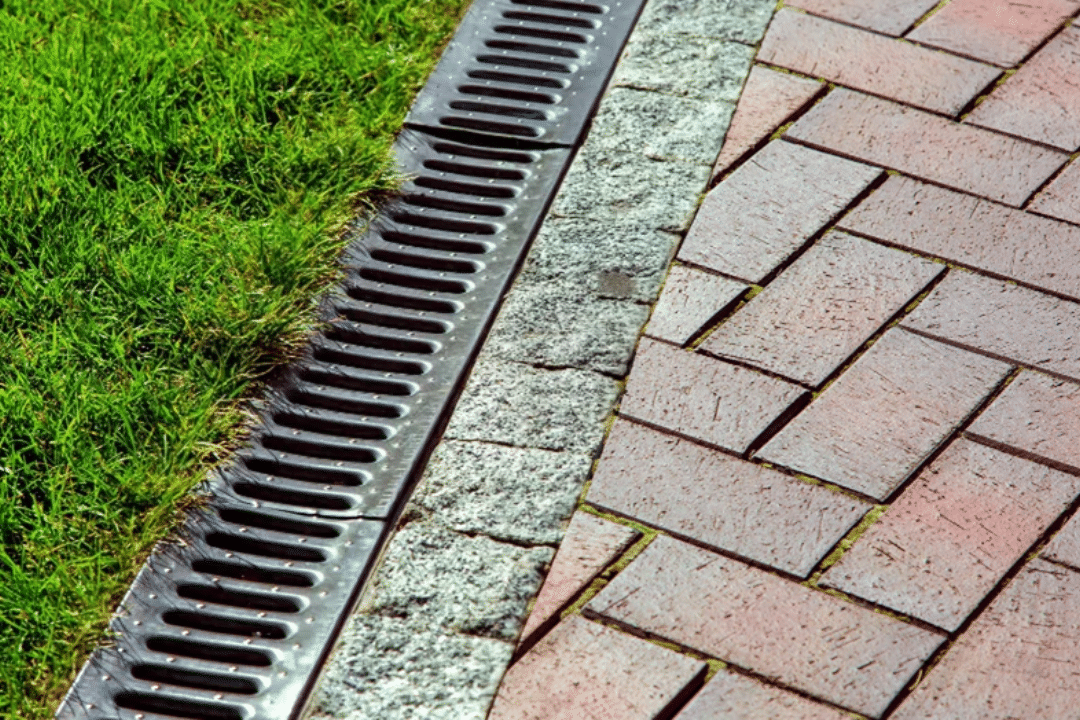
Drainage channels: Grated channels may be suitable where water needs to be collected along the edge of a driveway, patio or paved area.
Drainage pits: In appropriate locations, pits can collect surface runoff and connect to a suitable stormwater system.
Subsoil drainage: Where groundwater or persistent soil moisture is contributing to the problem, a properly designed subsoil drainage solution may be needed.
Not every property requires all these options. A qualified drainage professional can assess the site and recommend an appropriate system.
Concrete Slab Drainage Services Melbourne: What Should You Consider?
When researching Concrete slab drainage Services Melbourne, homeowners should look beyond the concrete finish itself. The quality of site preparation, surface levels and coordination with drainage work can all influence the finished result.
Before choosing a contractor, consider asking:
- How will the site levels be checked?
- Where will rainwater flow after installation?
- Are existing drainage points suitable?
- Will the concrete surface slope towards or away from the building?
- Does the project require a licensed plumber or drainage professional?
Concrete placement and finishing are different from regulated plumbing and stormwater drainage work. Where underground stormwater systems or plumbing connections are involved, make sure the relevant work is assessed and completed by appropriately registered or licensed professionals.
At VW Concreting, concrete projects are approached with attention to site preparation, levels and the intended use of the finished outdoor area.
Melbourne Conditions and Site Preparation
Properties across Melbourne can have different drainage challenges. Some sites have relatively flat ground, while others include sloping blocks, clay-heavy soils, existing retaining walls or limited space for stormwater discharge.
These conditions can affect how a concrete area should be prepared and finished.
For example, a backyard patio may need a different drainage approach from a driveway or side pathway. Areas close to a house also need careful attention to finished ground levels and water movement.
Before installing a new slab, check whether existing drainage arrangements can manage the additional runoff from the proposed surface.
How to Maintain Drainage Around Concrete
Even a well-planned drainage system needs occasional attention.
A few practical habits can help:
- Remove leaves and debris from grates and channels.
- Check for standing water after heavy rainfall.
- Keep garden soil and mulch away from drainage openings.
- Look for changes in surface levels or signs of soil erosion.
- Arrange a professional inspection if water repeatedly collects near the building.
Avoid covering drainage points or making changes to existing stormwater connections without checking whether the proposed work is suitable.
Plan Your Concrete Project with Care
Good drainage starts with understanding the site. By considering surface falls, ground conditions and stormwater management before construction, Melbourne homeowners can create outdoor concrete areas that are more practical and easier to maintain.
If you are planning a driveway, patio, pathway or another outdoor concrete project, speak with VW Concreting about the concrete work and site preparation involved. Call 0410 718 900 to discuss your project.
Why Choose VW Concreting?
At VW Concreting, we provide residential concreting solutions across Melbourne and surrounding suburbs, including Truganina, Werribee, Hoppers Crossing, Rockbank and Sunbury.
Our services include exposed aggregate, slate-look concrete and outdoor concrete surfaces.
We help homeowners explore suitable finishes for their properties, whether they’re planning a new driveway or improving an existing outdoor area.
Looking for a reliable concrete driveway service in Melbourne?
Contact VW Concreting today to discuss your project and request a free quote.
Call: 0410 718 900
Leave A Comment