
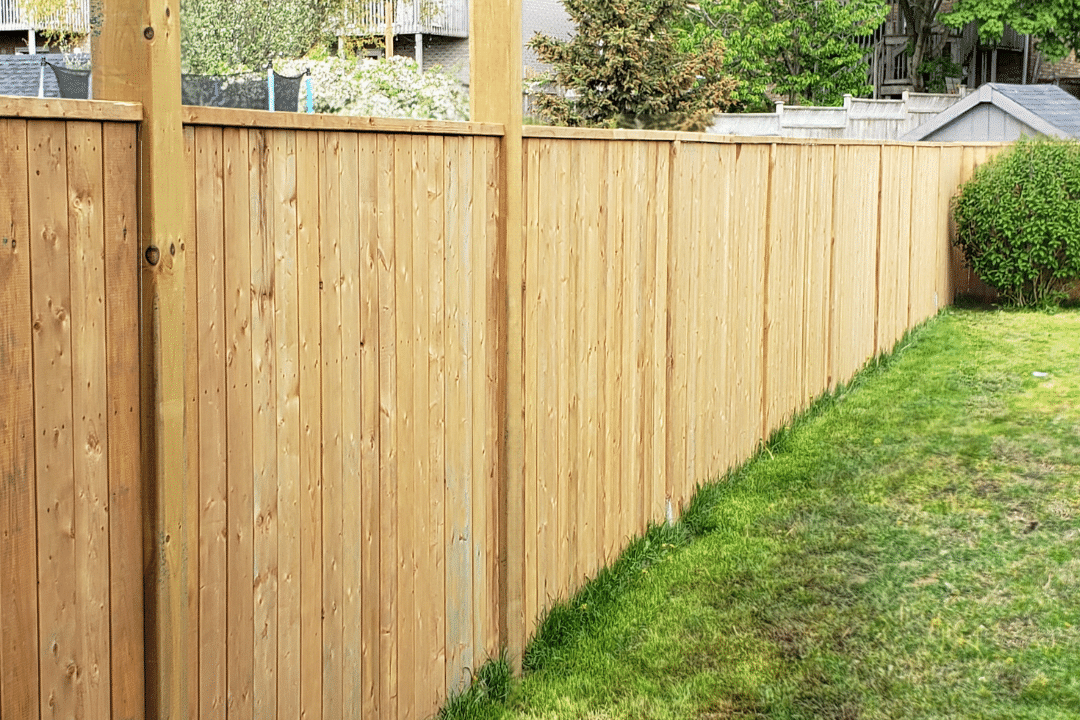
A new fence can change the privacy, security and appearance of your property, but choosing the right one involves more than picking a colour or material. Melbourne homes have different block sizes, boundary conditions, streetscapes and planning requirements, so a fence that works well on one property may not be suitable for another.
Before you start, it helps to understand the main decisions involved, from choosing materials and checking boundaries to discussing the project with your neighbour and confirming whether approvals are required.
Start With the Purpose of the Fence
Think about what you want the fence to achieve.
If privacy is the priority, a taller solid boundary may be suitable. If you want to improve street appeal, a lower front fence or feature design may work better. For a backyard, the main considerations might be privacy, pets, children or creating a clear boundary around an outdoor living area.
Knowing the purpose first makes it easier to narrow down materials, height and design.
For homeowners comparing Fencing Services Melbourne providers, it is also useful to explain how you intend to use the space. This gives the contractor a clearer understanding of what the finished fence needs to achieve.
Timber or Colorbond?
Timber and Colorbond remain popular choices across Melbourne, but they create very different looks.
Timber fencing can provide a traditional, warm appearance and works well with gardens and established homes. Paling fences are particularly common for residential boundaries and can provide a straightforward privacy solution.
Colorbond fencing offers a clean, contemporary appearance and is available in a range of colours. It can suit modern homes particularly well and provides a consistent finish across longer boundaries.
The best choice depends on the character of the property, desired privacy, maintenance preferences and surrounding landscaping.
Check Your Property Boundary First
One of the most important steps is confirming where the actual boundary sits.
Do not automatically assume that an existing fence marks the exact legal boundary. Victorian guidance recommends checking property information and, where necessary, engaging a licensed surveyor to establish the boundary.
This becomes particularly important if the existing fence is being removed, the property has recently been developed or there is a disagreement about the boundary.
Getting this right before construction can prevent costly problems later.
Talk to Your Neighbour About a Dividing Fence
If the proposed fence sits on a shared boundary, communication with your neighbour should happen before work begins.
In Victoria, dividing fences are generally a shared responsibility between adjoining owners. The Victorian Government recommends discussing the proposed work, obtaining quotes and reaching an agreement before proceeding.
The discussion can cover the proposed height, material, appearance and how the cost will be handled.
If one owner wants a more expensive fence than what would reasonably be considered a sufficient dividing fence, they may need to cover the additional cost.
Check Local Fence Requirements
Fence regulations can depend on the property’s location, fence height, material and position.
For example, standard side and rear fences may have different requirements from front fences. Corner properties can also have additional height restrictions close to street intersections.
The Victorian Building and Plumbing Commission states that building permits are required for most fences, although exemptions apply to certain types of fences and heights.
Council planning controls can create additional requirements. Heritage overlays, environmental overlays, small lots and particular property locations may affect whether a planning permit is needed.
Because requirements can differ between Melbourne municipalities, check the relevant council before construction rather than relying on a general rule.
Consider Gates and Access
A fence should work with the way you enter and use the property.
Think about pedestrian gates, driveway access, bin storage and access for maintenance or landscaping equipment. Gate direction and positioning can also matter, particularly where a gate opens towards a footpath or road reserve.
If you are replacing a complete boundary, it is often easier to plan the gate at the same time rather than treating it as a separate project.
Don’t Ignore the Ground Conditions
Not every Melbourne property has a perfectly level boundary.
Sloping blocks, existing retaining walls, established gardens, trees and difficult access can all influence how a fence is installed. A change in ground level can also affect the finished fence height and how the fence meets adjoining sections.
A site inspection before installation can help identify these issues early.
If excavation is required, underground services and existing structures should also be considered before work begins.
Compare Quotes Carefully
When contacting Fencing Contractors Melbourne homeowners are considering, avoid comparing quotes on price alone.
Check what each quote includes. Does it cover removal of the existing fence? Disposal of materials? Posts, concrete footings, gates and difficult site access? Are there additional charges for changes in ground levels or unexpected site conditions?
A detailed quote makes it easier to compare different proposals fairly.
It is also worth asking who will carry out the installation, what materials will be used and how the work will be scheduled.
Think About the Fence as Part of the Property
A fence does not need to stand apart from the rest of your outdoor design.
Timber can complement decking, gardens and natural landscaping, while Colorbond can work with contemporary paving, concrete and modern exterior finishes. Gate design, fence colour and landscaping can also be coordinated to create a more cohesive frontage.
For backyard boundaries, the fence can form a useful backdrop for planting, outdoor seating or entertaining areas.
Final Thoughts
Building a new fence is a relatively straightforward project when the important details are considered early.
Start by deciding what you need the fence to achieve, then choose a material and design that suits the property. Confirm the boundary, discuss shared fencing with your neighbour and check local council requirements before construction.
Most importantly, choose a fencing approach that balances appearance, privacy, practical use and the conditions of your site. A little planning at the beginning can make the installation process much smoother.
Why Choose VW Concreting?
At VW Concreting, we provide residential concreting solutions across Melbourne and surrounding suburbs, including Truganina, Werribee, Hoppers Crossing, Rockbank and Sunbury.
Our services include exposed aggregate, slate-look concrete and outdoor concrete surfaces.
We help homeowners explore suitable finishes for their properties, whether they’re planning a new driveway or improving an existing outdoor area.
Looking for a reliable concrete driveway service in Melbourne?
Contact VW Concreting today to discuss your project and request a free quote.
Call: 0410 718 900
Leave A Comment