
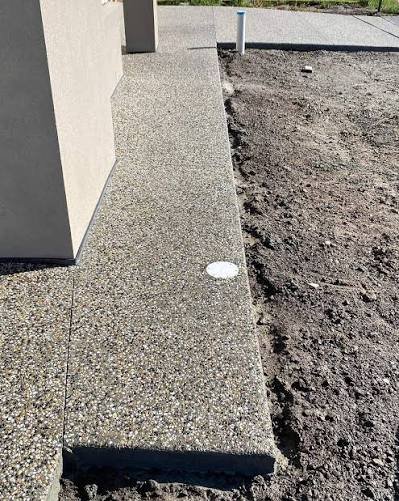
When you want a clean, practical surface without an overly decorative finish, plain concrete is one of the most versatile options for Melbourne homes. It can be used for driveways, pathways, patios, garage areas, shed slabs and other outdoor spaces where durability and straightforward design matter.
For homeowners comparing a plain concrete service in Melbourne, the decision is not simply about choosing a grey finish. The quality of the preparation, site levels, drainage, reinforcement, joints and finishing can all affect how the completed surface performs over time.
What Is Plain Concrete?
Plain concrete is a straightforward concrete finish without coloured pigments, exposed stone or decorative patterns. Its simple appearance makes it easy to coordinate with different styles of homes, fencing, landscaping and outdoor materials.
A broom, stipple or similar textured finish can also be used where additional surface texture is preferred. Current Melbourne concreting guidance commonly highlights plain concrete for practical areas such as driveways, paths, slabs and outdoor spaces.
The result is a surface that looks neat without competing with the rest of your property.
Where Can Plain Concrete Be Used in Melbourne?
One of the main advantages of plain concrete is its flexibility. It can suit both small residential projects and larger areas where a consistent surface is needed.
Common plain concrete uses in Melbourne include:
- Driveways and parking areas
- Side and rear pathways
- Patios and entertaining areas
- Garage and carport floors
- Shed and garden-building slabs
- Bin and utility areas
- Outdoor extensions around existing homes
For side paths and utility areas, plain concrete can provide a defined walking surface that is easier to sweep and maintain than loose gravel or uneven ground.
For driveways, the simple grey finish can also work particularly well with modern or minimalist homes.
Why Choose Plain Concrete for Your Home?
The biggest attraction is its balance of function and appearance.
Plain concrete provides a solid, continuous surface without the individual joints between pavers. It can also be shaped around the layout of your property, allowing paths, driveway sections and outdoor areas to follow the available space.
Another benefit is design flexibility. While plain concrete is intentionally simple, the overall result can still be improved through careful edging, joint placement, levels and the way it connects with surrounding landscaping.
Current Melbourne search results also show that homeowners are increasingly looking beyond the surface finish and asking about preparation, reinforcement, drainage falls and control joints. These practical details are important because the concrete itself is only one part of a successful installation.
Plain Concrete Driveway Ideas
A plain driveway does not have to look basic.
A clean straight layout can suit contemporary Melbourne homes, while curved edges may work better where the driveway needs to follow the shape of a garden or front yard.
You can also create visual separation by combining the concrete with:
- Garden beds and low planting
- Timber or Colorbond fencing
- Pavers around entry areas
- Retaining walls
- Turf and landscaped sections
- Contrasting garage or front-door finishes
For properties where the driveway is highly visible from the street, homeowners may prefer coloured or exposed aggregate concrete instead. Plain concrete remains a strong option when simplicity and practicality are the priority.
It is also worth checking whether your estate, development or local council has specific requirements for visible driveways or crossovers, as some design guidelines can restrict particular concrete finishes.
What Makes a Good Plain Concrete Installation?
The finished surface is only as good as the work underneath it.
Before concrete is poured, the area may need excavation, removal of unsuitable material, preparation of the base, accurate levels and appropriate drainage planning. Reinforcement and control joints may also form part of the installation depending on the project.
For Melbourne properties, this preparation is particularly important where the site has uneven ground, access limitations, existing concrete or drainage considerations.
A professional installation should therefore begin with understanding how the space will be used rather than simply measuring the area and choosing a finish.
Plain or Decorative Concrete: Which Should You Choose?
Plain concrete is often the natural choice when you want a clean, uncomplicated appearance.
Coloured concrete can introduce a stronger visual connection with the house, roof, fencing or landscaping. Exposed aggregate provides a more textured, decorative surface with visible stone.
The best option depends on the location, surrounding finishes, expected use and the look you want to achieve.
For some Melbourne properties, a combination can work well — for example, a more decorative driveway at the front with plain concrete used for side paths or less visible areas.
Choosing Plain Concrete for a Melbourne Property
The right concrete solution should suit both the property and the way you use it.
Think about vehicle access, pedestrian traffic, drainage, surrounding landscaping and the appearance of nearby surfaces before deciding on the finish. A straightforward surface can often provide the cleanest result when the rest of the property already has plenty of visual detail.
If you’re considering plain concrete in Melbourne, professional site preparation and careful finishing are just as important as the concrete selected for the job.
At VW Concreting, plain and coloured concrete can be considered alongside other outdoor solutions to create a practical result that works with the wider property.
Leave A Comment