
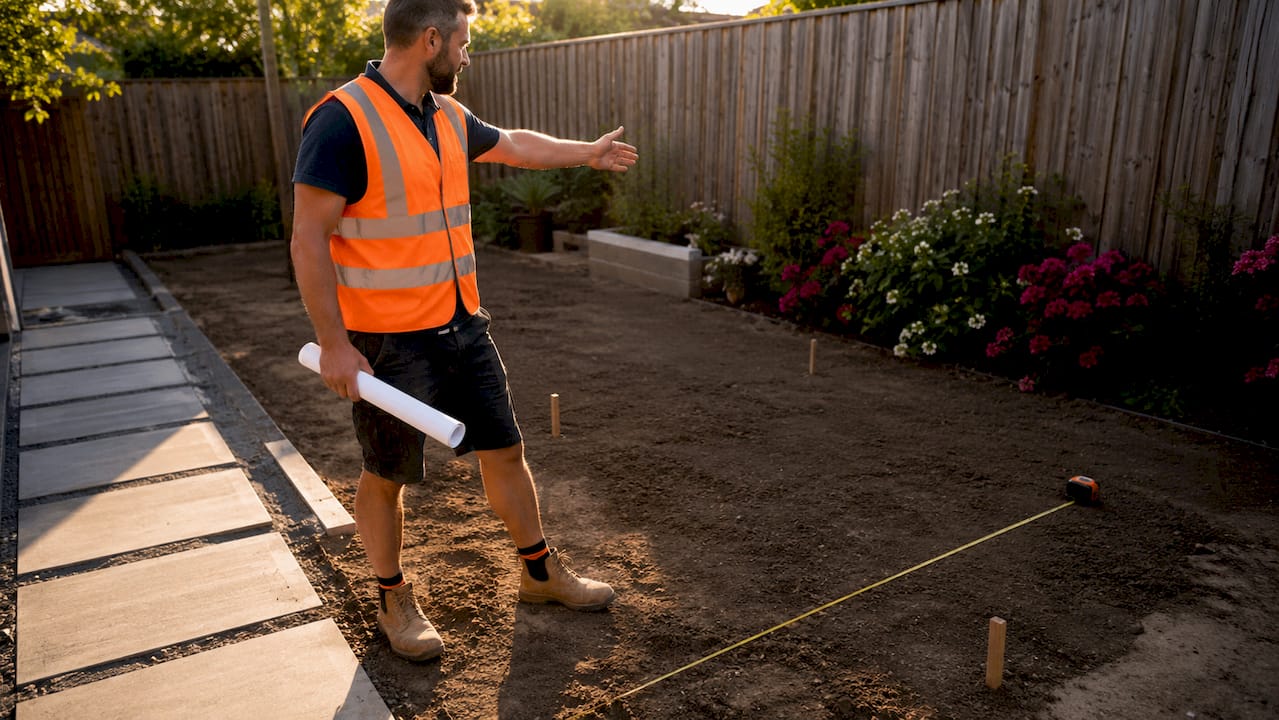
Common landscaping mistakes in new builds are defined as preventable planning and site preparation failures that cause long-term damage to soil health, drainage, plant growth, and curb appeal. New construction landscaping, the professional practice of designing and preparing outdoor spaces alongside or after home construction, demands early coordination, proper grading, and informed plant selection. Skip any of these steps and you are paying to fix problems that should never have existed. This article covers the most frequent errors and exactly how to avoid them.
1. What are the most common landscaping mistakes in new builds?
Neglecting early-stage planning is the single most damaging mistake in new home landscaping. Landscaping coordinated early with home construction avoids costly utility rework and allows natural integration of outdoor living spaces. When landscaping is treated as an afterthought, irrigation lines get buried under hardscapes, lighting conduits get skipped, and drainage gets ignored until water pools against the foundation.
The other major errors fall into predictable categories: poor soil preparation, bad grading, wrong plant choices, and no phased plan. Each one compounds the next. Bad soil leads to dead plants. Poor grading leads to flooded lawns. Wrong plants lead to overcrowding within two seasons. A phased plan prevents all of it from happening at once.
Pro Tip: Get a landscaping plan drafted before the builder pours the first slab. Utility trenches are cheap to dig before concrete goes down and expensive to cut through afterward.
2. Why early planning prevents the biggest landscaping pitfalls for new builds
Budgeting is where most homeowners underestimate the scope of new construction landscaping. Experts recommend allocating 10–20% of total home value to landscaping, covering grading, drainage, and outdoor living space installation. That figure surprises most buyers, but it reflects the true cost of doing the work correctly from the start.
Early planning also means coordinating with your builder on three non-negotiable items before construction wraps:
- Utility placement: Irrigation, outdoor lighting conduits, and gas lines must be mapped before hardscapes are poured.
- Grading plan: The finished grade must slope away from the foundation. The standard is a 6-inch drop over the first 10 feet from the home. Builders who skip this create drainage problems that cost thousands to fix.
- Debris removal: Construction sites leave behind concrete chunks, timber offcuts, and compacted fill. All of it must come out before any planting begins.
Developers prioritize cost and speed, which means landscaping quality is often minimal at handover. Homeowners need to assess and upgrade soil and turf after taking possession, not assume the builder left the site ready to plant.
Pro Tip: Walk the site after the builder finishes and before you sign off. Look for low spots, debris piles, and areas where water already sits after rain. These are your problem zones.
3. How soil quality and preparation affect new build landscaping success
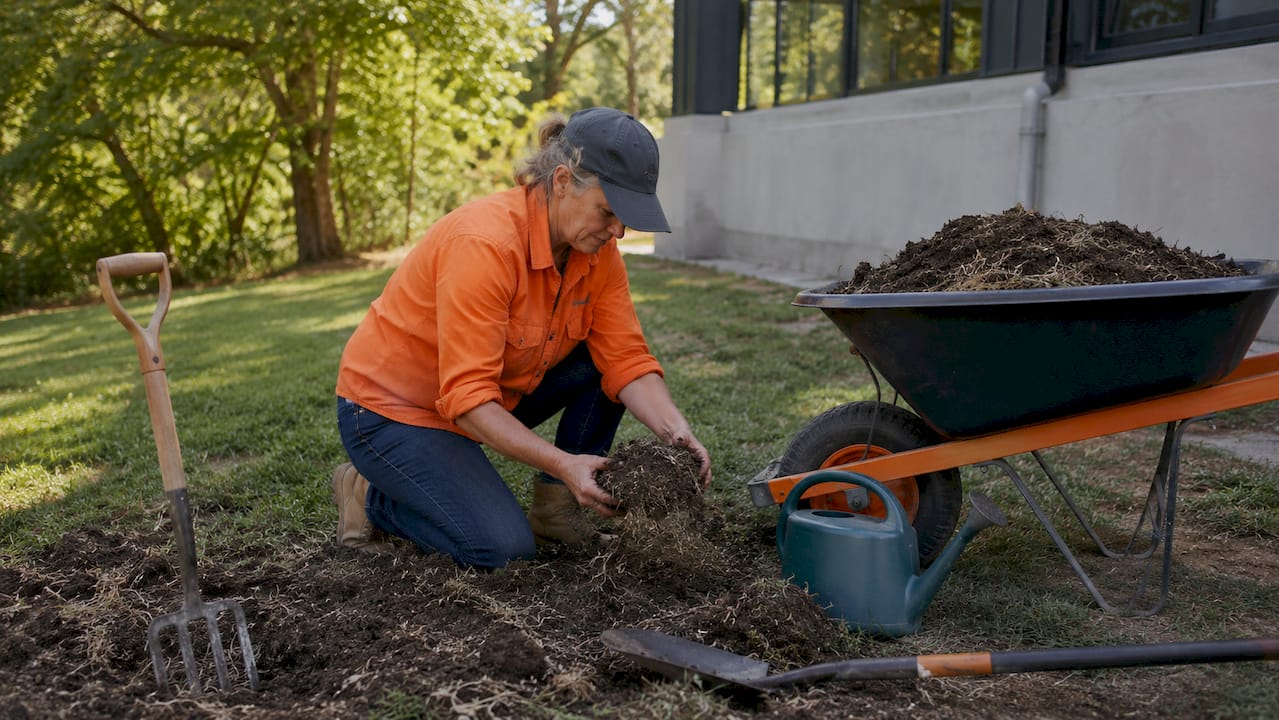
Compacted soil is the primary cause of plant failure in new build gardens. Compacted soil and buried construction debris cause root suffocation, plant failure, and higher disease susceptibility. Heavy machinery compresses the soil structure during construction, leaving a layer that roots cannot penetrate and water cannot drain through.
Fixing compacted soil requires mechanical intervention before you plant anything. The process involves:
- Test the soil first. Push a screwdriver 6 inches into the ground. If it meets resistance before that depth, the soil is compacted and needs treatment.
- Aerate or till the top layer. A garden fork works for small areas. A mechanical aerator or tiller handles larger sections more effectively.
- Remove all debris. Concrete rubble, timber, and plastic sheeting buried during construction block root growth and alter soil chemistry.
- Import quality topsoil. A healthy lawn needs 150–200mm of topsoil depth. Most rear gardens require 5–15 cubic meters of imported topsoil to reach that depth.
- Add organic matter. Compost improves nutrient retention and drainage in both sandy and clay-heavy soils.
Developers typically supply only minimal topsoil at handover. That thin layer is rarely enough for healthy lawn growth or established planting beds. Importing additional soil is not optional. It is the foundation of every other landscaping decision you make.
Pro Tip: Ask your landscaper to conduct a basic soil pH and compaction test before ordering topsoil. Matching the imported soil to your existing conditions prevents layering problems that block water movement.
4. What are the most frequent errors in plant selection and placement?
Choosing plants based on appearance alone is a reliable path to a failed garden. Proper plant selection requires understanding the local ecosystem, climate, spacing requirements, and light exposure. A plant that looks perfect at the nursery can become a problem within one growing season if it is placed in the wrong light or given too little room.
The most common plant selection errors in new build gardens include:
- Ignoring mature size. A shrub that looks tidy at 30cm will crowd a path or block a window at 2 meters. Always check the mature spread, not just the height.
- Overplanting for instant effect. Packing plants close together creates a full look immediately but leads to competition, disease, and die-off within three years.
- Mismatching plants to sun exposure. A shade-loving plant placed in full sun will struggle and die. Map your sun and shade zones across the day before buying anything.
- Ignoring local climate. Plants suited to Melbourne’s climate differ significantly from those suited to cooler or wetter regions. Native and climate-adapted species outperform exotic choices in most new build settings.
- No focal point or structure. A garden without structural plants, such as a feature tree or defined hedge line, looks unfinished regardless of how many plants are in the ground.
The fix is straightforward. Choose three to five structural plants first, then fill around them with ground covers and seasonal color. This approach creates proportion and gives each plant room to reach its natural size.
5. How do improper drainage and grading mistakes impact new landscape longevity?
Poor drainage is the most expensive mistake to fix after a landscape is established. Drainage mistakes cause water pooling, soggy soil, and patchy turf. Construction frequently removes or blocks natural water flow paths, and builders who do not replace them leave homeowners with lawns that flood after every rain event.
The table below shows the most common drainage errors and their practical solutions:
| Drainage mistake | Consequence | Solution |
|---|---|---|
| Flat or negative grading | Water pools near foundation | Regrade to achieve 6-inch drop over 10 feet |
| Blocked natural waterways | Waterlogged lawn sections | Install French drains or redirect flow |
| No surface drainage channels | Runoff damages turf and paving | Add channel drains at low points |
| Impermeable hardscapes with no outlet | Water backs up against structures | Use permeable pavers or add drainage outlets |
French drains and rain gardens are the two most practical solutions for new build drainage problems. A French drain redirects subsurface water away from problem areas. A rain garden captures surface runoff and allows it to absorb slowly into the ground. Both work best when installed before turf and planting go in.
Pro Tip: After heavy rain, photograph every area where water sits for more than 30 minutes. Those photos become your drainage plan. Fix every one of those spots before laying turf or planting beds.
6. What is the best phased approach to landscaping a new build?
Soil around new foundations settles 1–4 inches over 12–36 months, and in some cases up to 6 inches. Planting before that settlement stabilizes means your grades shift, your drainage changes, and your lawn develops uneven patches. A phased approach accounts for this reality.
Phasing landscaping projects by prioritizing grading, drainage, and utilities before decorative planting helps manage budget and ensures landscape longevity. The recommended phase structure looks like this:
- Phase 1 (months 1–3): Complete all grading, drainage installation, and utility rough-in. This includes irrigation lines, outdoor lighting conduits, and any retaining walls. Nothing decorative goes in yet.
- Phase 2 (months 3–12): Lay turf or seed lawn areas once grading is confirmed stable. Install structural plants, trees, and hedges that need time to establish.
- Phase 3 (year 2 onward): Add decorative planting, garden beds, paving, and outdoor living features once the site has settled and the lawn is established.
This sequence protects your budget. Decorative elements installed too early often need to be removed and replaced when drainage or settlement issues emerge. Fixing a paved patio because the ground shifted beneath it costs far more than waiting an extra season.
Key takeaways
Avoiding common landscaping mistakes in new builds requires soil preparation, correct grading, and a phased plan before any decorative work begins.
| Point | Details |
|---|---|
| Plan before construction ends | Coordinate utilities, grading, and drainage with your builder before handscapes are poured. |
| Fix soil before planting | Import 150–200mm of quality topsoil and remove all construction debris before laying turf. |
| Grade correctly from day one | Slope the ground 6 inches over 10 feet from the foundation to prevent water damage. |
| Match plants to site conditions | Select plants based on mature size, sun exposure, and local climate, not appearance alone. |
| Phase the project over time | Complete drainage and utilities first, then turf, then decorative planting in year two. |
What I have learned from watching new build landscapes fail
The pattern I see most often is this: a homeowner moves in, the builder hands over a flat, compacted yard with a thin layer of turf thrown down, and within six months the lawn is patchy, the garden beds are waterlogged, and the plants are dying. Every single time, the cause traces back to skipped soil preparation and no grading plan.
The builders are not always to blame. They are building houses, not gardens. But that gap between what the builder leaves and what a healthy landscape needs is exactly where homeowners get caught out. The fix is not complicated. It is just early. Get a landscaper on site before the builder finishes. Walk the drainage with them. Test the soil. Agree on a grading plan. That one conversation saves months of remediation work.
The other thing I have learned is that phasing is not a compromise. It is the correct approach. Homeowners who try to complete everything at once almost always cut corners on drainage or soil prep to stay within budget. Those corners cost double to fix later. Patience in the first year produces a landscape that lasts twenty years. Rushing produces one that needs replacing in five.
— Vic
Get your new build landscaping right from the start
Avoiding the landscaping errors covered in this article is straightforward when you work with a team that understands both the construction and the outdoor design side of a new build project. VW Concreting has completed over 145 projects across Melbourne, combining concreting and landscaping services to deliver outdoor spaces that are graded, drained, and built to last.
From driveways and slabs to turf, fencing, and full outdoor builds, the VW Concreting team handles the coordination that prevents the mistakes described above. If you are planning a new build or have just taken possession of one, the new home landscaping service page is the right place to start. Get in touch with the team to discuss your site before work begins.
FAQ
How much should I budget for landscaping a new build?
Experts recommend allocating 10–20% of your total home value to landscaping. This covers grading, drainage, soil preparation, planting, and outdoor living areas.
What is the correct grading slope for a new build yard?
The ground must drop at least 6 inches over 10 feet from the home foundation. This slope directs water away from the structure and prevents pooling and foundation damage.
How deep does topsoil need to be for a healthy lawn?
A healthy lawn requires 150–200mm of quality topsoil. Most new build sites need 5–15 cubic meters of imported topsoil to reach that depth after construction debris is removed.
When should I start landscaping after moving into a new build?
Begin grading, drainage, and utility installation immediately. Wait 12–36 months before finalizing decorative planting and paving, as soil settlement of 1–4 inches is normal around new foundations.
Why do plants fail so quickly in new build gardens?
Compacted soil and buried debris block root growth and prevent water absorption. Remediating the soil before planting is the most effective way to prevent early plant failure.
Leave A Comment