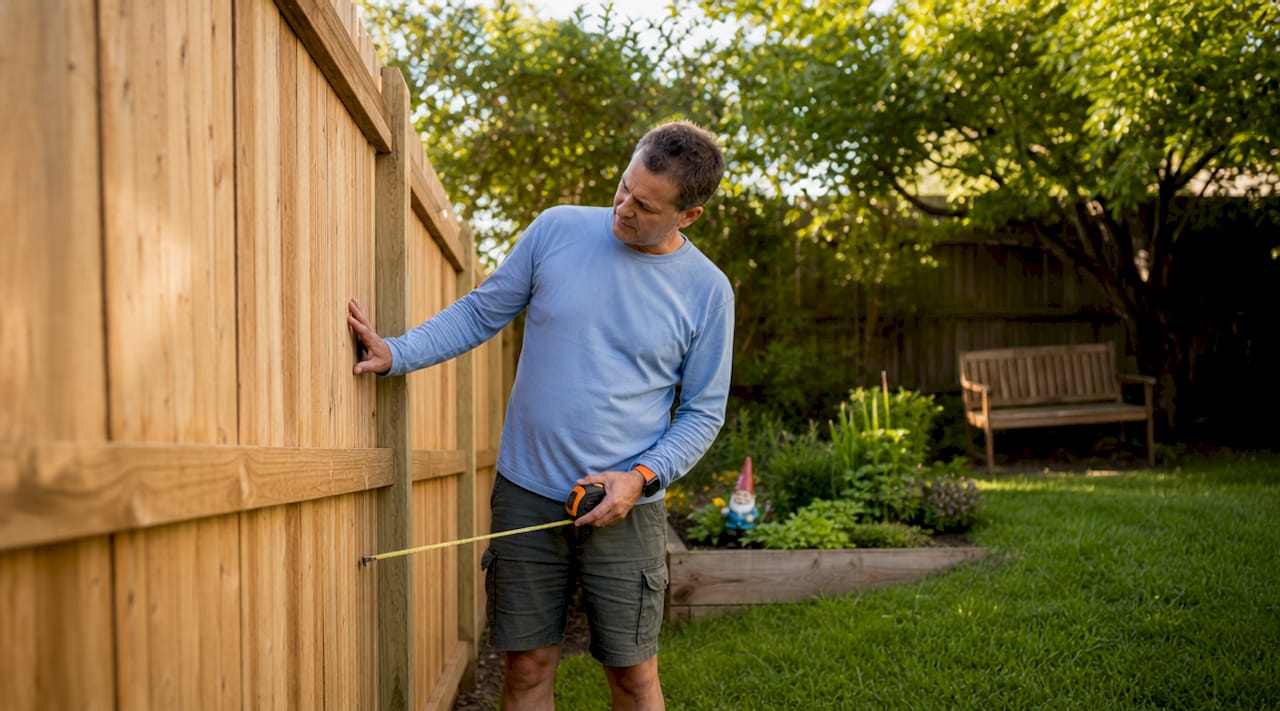
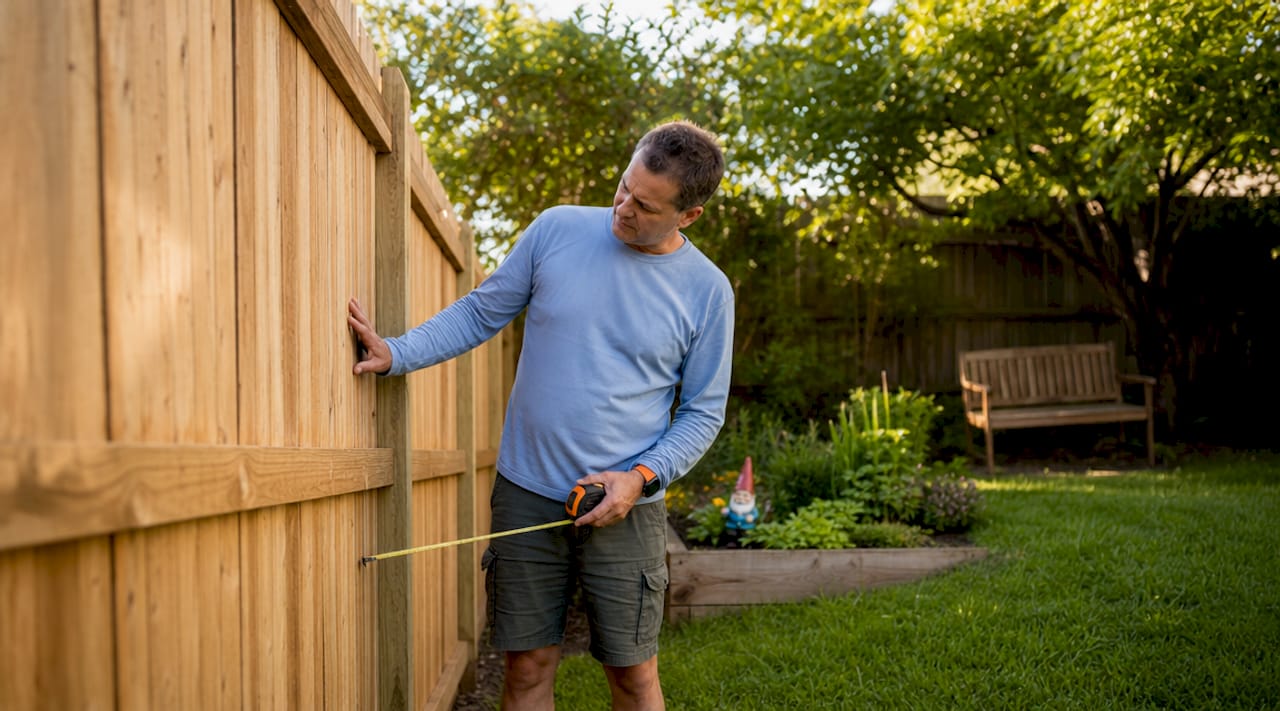
Timber fencing is defined as a wooden boundary structure used to provide privacy, security, and visual appeal for residential properties. In Melbourne, fencing timber remains one of the most popular choices for homeowners who want a fence that looks natural, performs well in local conditions, and fits a realistic budget. The right timber, treatment level, and installation method make the difference between a fence that lasts 20 years and one that rots in five. This guide covers timber species, Australian treatment standards, supplier selection, installation basics, and realistic costs so you can make a confident decision.
What kinds of timber are best for fencing in Melbourne?
The two broad categories for residential fencing timber are hardwood and treated softwood. Each serves a different need, and choosing between them comes down to budget, aesthetics, and how long you want the fence to last without major intervention.
Treated pine is the most popular timber for residential fences in Melbourne, offering a good balance of affordability and workability when properly treated. It is widely available from Melbourne timber yard fencing suppliers, easy to cut and nail, and holds paint or stain well. For most standard privacy or picket fences, treated pine is the sensible choice.
Hardwoods like Merbau, Ironbark, and Spotted Gum are more durable and visually striking. Merbau offers rich color and natural resistance to Melbourne’s sun and rain, making it a popular upgrade for feature fences rather than standard boundary runs. Ironbark and Spotted Gum are extremely dense and long-lasting, but they add significant cost and are often unnecessary for a suburban boundary fence.
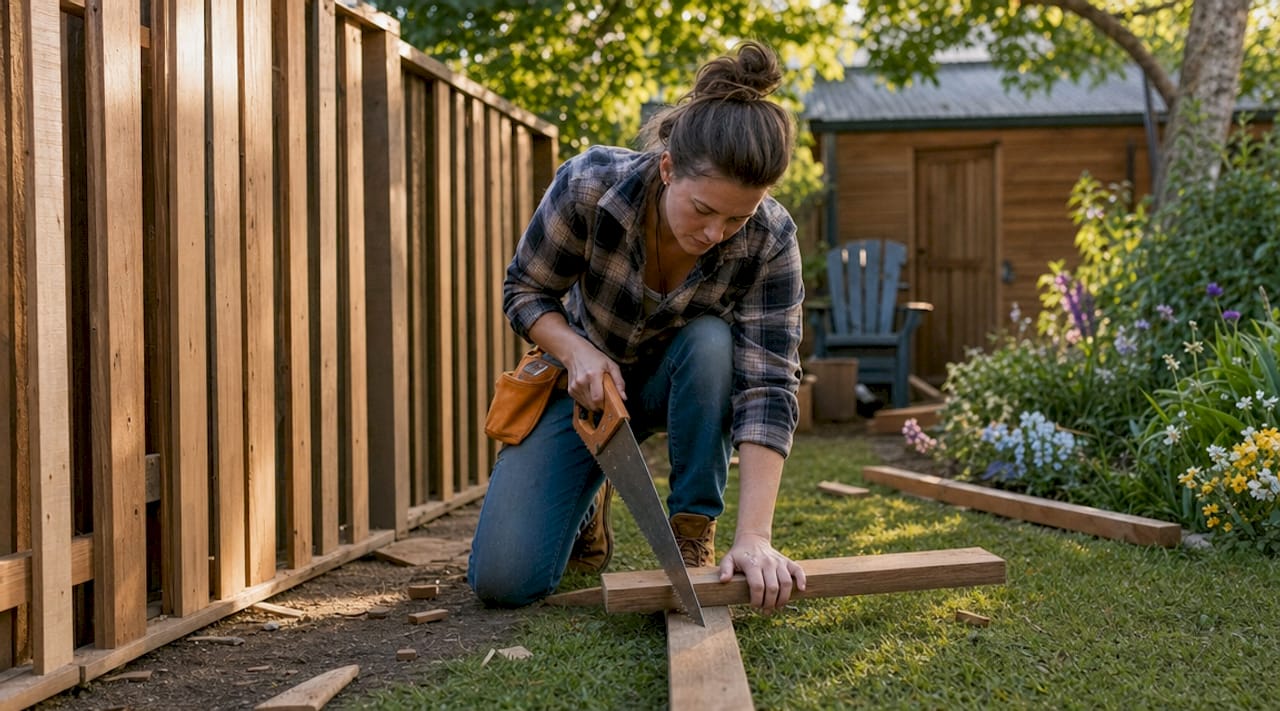
Treatment level is not optional. All treated timber for residential fencing must comply with Australian Standard AS1604 for termite and moisture decay protection. The critical rule: H4-rated timber for any post going into the ground, and ACQ-treated pine for above-ground rails and palings. Mixing these up is one of the most common mistakes homeowners make, and it shortens fence life dramatically.
| Timber type | Pros | Cons | Lifespan | Approx. cost per meter |
|---|---|---|---|---|
| Treated pine | Affordable, easy to work with, widely available | Requires painting or staining | 15 to 25 years | $75 to $130 |
| Merbau | Rich color, naturally durable, low maintenance | Higher upfront cost | 25 to 40 years | $150 to $220 |
| Ironbark | Extremely hard, fire resistant, long lasting | Difficult to cut, expensive | 30 to 50 years | $180 to $300 |
| Spotted Gum | Attractive grain, strong, good weather resistance | Premium price, limited availability | 25 to 40 years | $160 to $260 |
Pro Tip: Always ask your supplier to confirm the treatment level stamped on each piece of timber. H3 timber is not rated for ground contact, even if it looks identical to H4 on the shelf.
How do you choose the right timber fencing supplier in Melbourne?
Sourcing timber from a specialist supplier rather than a large hardware chain makes a real difference in project quality. Specialist timber fencing suppliers in Melbourne carry a wider range of treatment grades, can advise on the right species for your application, and often offer better pricing on bulk orders for a full fence run.
When evaluating suppliers, look for these factors:
- Stock variety: A good supplier carries H4 posts, ACQ rails, and multiple paling profiles in stock, not just the most common sizes.
- Treatment certification: Ask for documentation confirming AS1604 compliance. Reputable suppliers provide this without hesitation.
- Delivery options: Checking truck access with your supplier before ordering is critical. Large deliveries arrive on rigid trucks that may not fit tight Melbourne suburban driveways, and a failed delivery costs you time and money.
- Pricing transparency: Get itemized quotes that separate timber costs from delivery fees. Hidden charges are common with online-only suppliers.
- Offcut management: Some Melbourne suppliers handle offcut removal as part of delivery, which saves you a trip to the tip.
Melbourne’s western and northern growth corridors, including suburbs like Tarneit, Truganina, and Hoppers Crossing, have seen strong demand for residential fencing timber. Local suppliers serving these areas understand site access challenges and stock the profiles most common in new estate builds.
Pro Tip: Order 10 to 15 percent more timber than your measurements suggest. Offcuts, splits, and the occasional warped board are normal, and a second delivery to top up a small shortfall costs more than buying extra upfront.
What are the key installation considerations for timber fencing?
Getting the installation right determines how long your fence actually lasts. The most common failure points are post depth, post treatment level, and concrete footing quality. Address these three and you eliminate most of the problems that bring fences down within a decade.
Follow these steps for a structurally sound timber fence:
- Set post spacing correctly. Standard post spacing is 1.8 meters for fences up to 1.8 meters tall. For taller fences or exposed sites with strong wind, reduce spacing to around 1.5 meters for added rigidity.
- Bury posts to the right depth. Posts should be buried approximately one-third of their total length underground. For a 1.8-meter fence, that means at least 600mm below ground level.
- Use H4-rated timber for every in-ground post. H4-rated posts resist rot and termites in direct soil contact. Any lower rating drastically reduces fence lifespan, regardless of how good the above-ground timber is.
- Set posts in concrete. Mix a bag of rapid-set concrete per post hole, brace the post plumb, and allow full cure time before attaching rails. Skipping concrete is a shortcut that leads to leaning posts within a few years.
- Use ACQ-treated timber for rails and palings. Above-ground components do not need H4 treatment, but they still need ACQ-rated protection against moisture and insects. Mixing treatment specs incorrectly between posts and rails is a primary cause of premature structural failure.
- Plan your delivery logistics before you start. Confirm truck access, have a clear unloading area, and know where you will store timber overnight if installation takes more than one day.
DIY wooden fence installation in Melbourne is achievable for a competent homeowner with the right tools, including a power auger for post holes, a spirit level, and a circular saw. However, DIY can save 40 to 60 percent on labor costs only when the work is done correctly. Mistakes in post installation are expensive to fix after the fact.
What do timber fences cost, and how do you maintain them?
Realistic budgeting prevents the most common frustration in fencing projects: discovering mid-build that the original estimate was too low. Costs vary by timber species, fence height, and whether you hire a professional or do the work yourself.
Material costs for treated pine fencing run from $75 to $130 per linear meter for standard privacy fencing. Premium hardwoods like Merbau or Ironbark push that figure to $150 to $300 per meter. Professional installation adds $150 to $300 per meter on top of materials. A professionally installed 20-meter treated pine fence typically costs between $3,000 and $5,500 total. DIY material costs for the same run sit closer to $600 to $1,200.
| Cost category | DIY estimate | Professional estimate |
|---|---|---|
| Treated pine materials (20m) | $600 to $1,200 | Included in total |
| Labor (20m) | $0 | $3,000 to $5,500 |
| Merbau materials (20m) | $1,500 to $2,200 | $4,500 to $8,000 |
| Annual maintenance | $5 to $15 per meter | $5 to $15 per meter |
Maintenance is not optional for timber fencing in Melbourne. The city’s combination of summer heat, UV exposure, and wet winters accelerates timber degradation without regular care. Key maintenance tasks include:
- Sealing or repainting the fence every two to three years to prevent moisture penetration and UV damage.
- Conducting annual inspections for rot, particularly at post bases and rail joints.
- Checking for termite activity, especially in properties near bushland or established gardens.
- Tightening or re-concreting loose posts before they cause rail and paling damage.
Maintenance costs add roughly $5 to $15 per meter annually, which is a manageable figure when budgeted from the start. Ignoring maintenance turns a $3,000 fence into a $6,000 replacement job within a decade.
Key takeaways
Treated pine with correct H4 post ratings and ACQ above-ground components is the most cost-effective and durable timber fencing choice for most Melbourne homeowners.
| Point | Details |
|---|---|
| Treatment levels matter most | Use H4-rated timber for in-ground posts and ACQ for rails and palings to meet AS1604 standards. |
| Treated pine suits most homes | It balances cost, workability, and durability better than premium hardwoods for standard boundary fences. |
| Post depth and spacing are critical | Bury posts at least 600mm deep and space them no more than 1.8m apart for structural integrity. |
| DIY saves money but requires skill | DIY installation can cut costs by 40 to 60 percent, but incorrect post installation is expensive to fix. |
| Maintenance extends fence life significantly | Seal or repaint every two to three years and inspect annually to avoid premature replacement costs. |
What I’ve learned after years of fencing projects in Melbourne
Most homeowners get the timber selection roughly right. Where projects go wrong is in the details that nobody talks about until something fails.
The single most common mistake I see is using H3-treated posts in the ground because they were cheaper or because the supplier did not flag the difference. H3 is fine for above-ground use. Put it in the ground in Melbourne’s clay-heavy soils and you will be pulling out a rotted post within seven years. The cost difference between H3 and H4 posts is small. The cost of replacing a fence because the posts failed is not.
I also see homeowners underestimate delivery logistics. A rigid truck carrying 20 meters worth of fencing timber needs a clear run. Narrow driveways, low-hanging trees, and parked cars on the street turn a straightforward delivery into a half-day problem. Confirm access before you place the order, not after.
On the DIY versus professional question: I think most capable homeowners can handle a straightforward treated pine fence on a flat block. The tools are accessible, and the process is logical. But if your site has slopes, difficult soil, or a boundary dispute with a neighbor, bring in a professional. The savings from DIY disappear quickly when you are dealing with complications you did not anticipate.
Finally, buy from a specialist supplier, not just the nearest big-box hardware store. The advice you get from someone who sells fencing timber every day is worth more than the marginal price difference. They will tell you which profiles are in stock, which treatment levels you actually need, and whether your site access will cause problems before the truck shows up.
— Vic
Ready to get your timber fence right the first time?
VW Concreting has completed over 145 projects across Melbourne, including residential fencing installations that combine quality timber selection with professional craftsmanship. Whether you need advice on the best fence materials for Melbourne conditions or want a team to handle the full installation, the experience is there to back it up.
From treated pine privacy fences to hardwood feature fences, VW Concreting works with homeowners across Melbourne’s western and northern suburbs to deliver fences that look good and hold up over time. If you are planning a fencing project and want it done properly, explore the timber fencing options available or get in touch to discuss your specific site and budget. You can also see how fencing complements concreting for a complete outdoor solution.
FAQ
What is the best timber for fencing in Melbourne?
Treated pine is the best timber for most Melbourne residential fences, offering a strong balance of cost, workability, and durability when properly treated to AS1604 standards. Hardwoods like Merbau or Ironbark are worth considering for feature fences where aesthetics and longevity justify the higher price.
How deep should fence posts be set in Melbourne?
Fence posts should be buried approximately one-third of their total length underground. For a standard 1.8-meter fence, that means a minimum depth of 600mm, set in concrete for stability.
Do I need H4 timber for all fence components?
H4-rated timber is required only for posts placed directly in the ground. Above-ground rails and palings need ACQ-treated timber, which meets AS1604 for moisture and insect resistance without the higher cost of H4.
How much does timber fencing cost in Melbourne?
Treated pine fencing materials run from $75 to $130 per linear meter, with professional installation bringing the total to $3,000 to $5,500 for a 20-meter fence. DIY material costs for the same run are typically $600 to $1,200.
How often does a timber fence need maintenance in Melbourne?
Timber fences in Melbourne need sealing or repainting every two to three years, plus annual inspections for rot, termite activity, and loose posts. Maintenance costs average $5 to $15 per meter per year.
Leave A Comment